
Jewish Cemetery in Kleinheubach
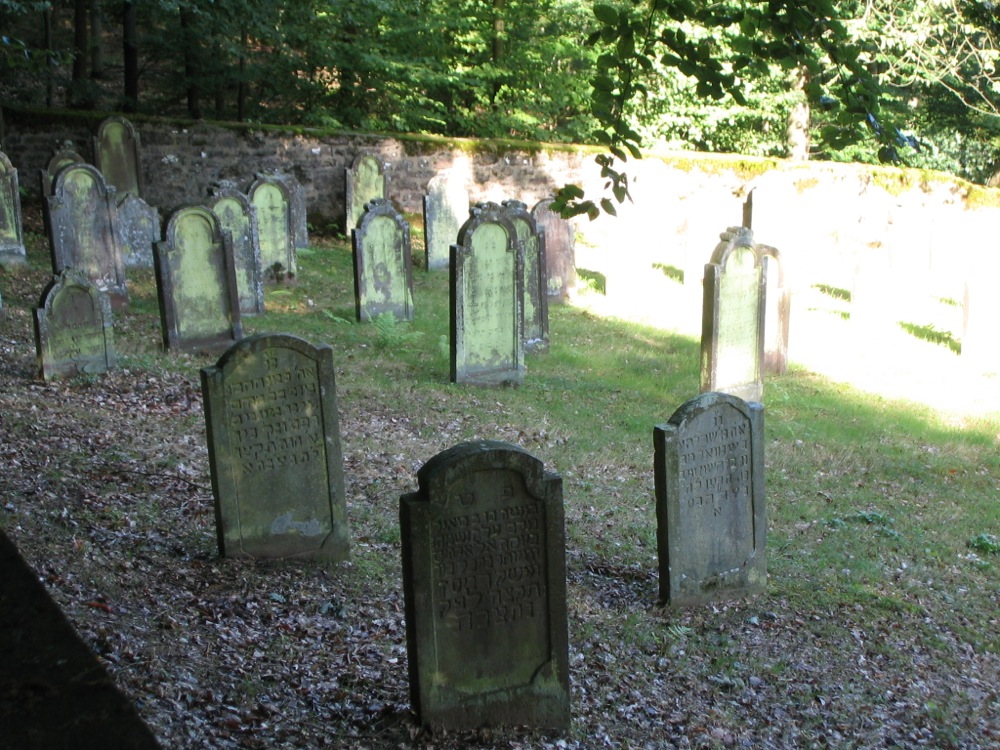
Nr. on the small map: 7 (Kleinheubach) The Jewish Cemetery is in the forest to the north-west of Kleinheubach in the direction of Laudenbach. You can reach it on foot from a parking lot. Before the cemetery was created in 1730 the deceased Jews of Kleinheubach had been buried in Michelstadt. In the late 17th […]
Parkhof / Roman Fort “Altstadtkastell”
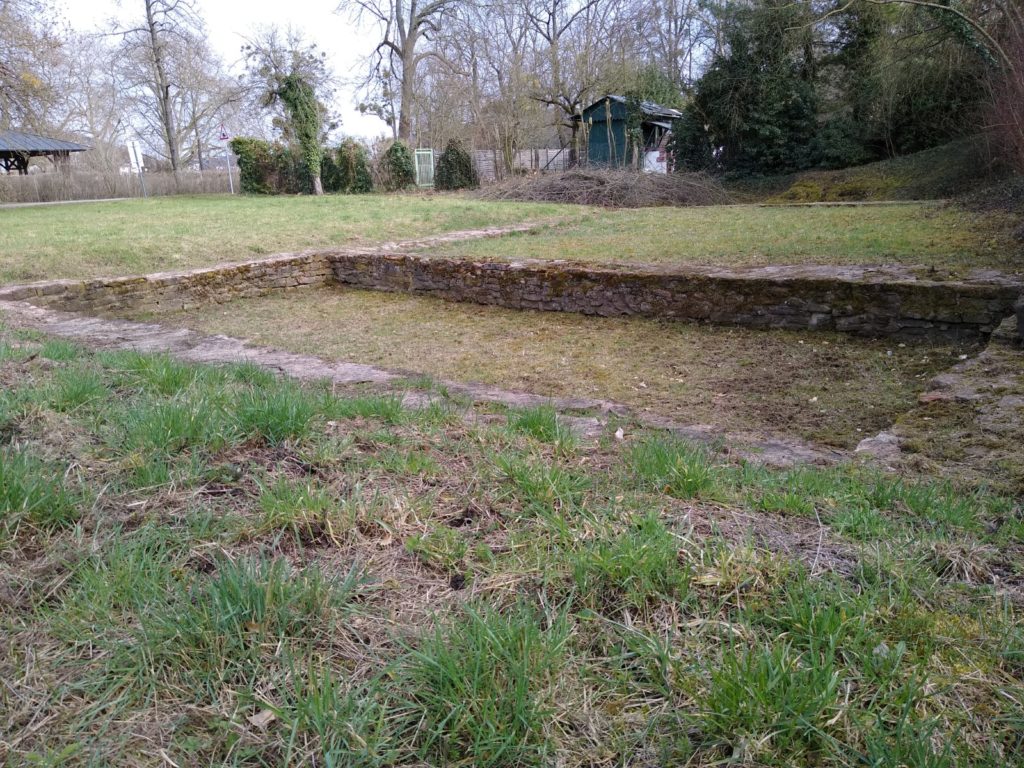
Nr. on the small map: 15 (Kleinheubach) Near today’s Kneipp facility, next to the restaurant “Parkhof”, there used to be a Roman fort, hosting a cohort, consisting of 480 men, both cavalry and infantry. Only a few remains of the walls and the Roman bath are left and can be seen.
Palace Gardens
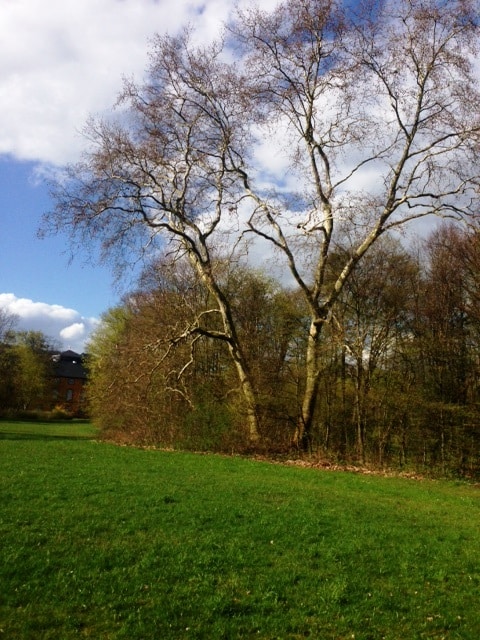
Nr. on the small map: 13 (Kleinheubach) Formerly, a main courtyard with fences, a gate, and a sentry box surrounded the three wings of the palace and both dependences. Throughout the 19th century, this strictly centered alignment was rearranged. In front of the palace a sloped meadow with a new access was formed; however the […]
Princely Palace Löwenstein-Wertheim-Rosenberg
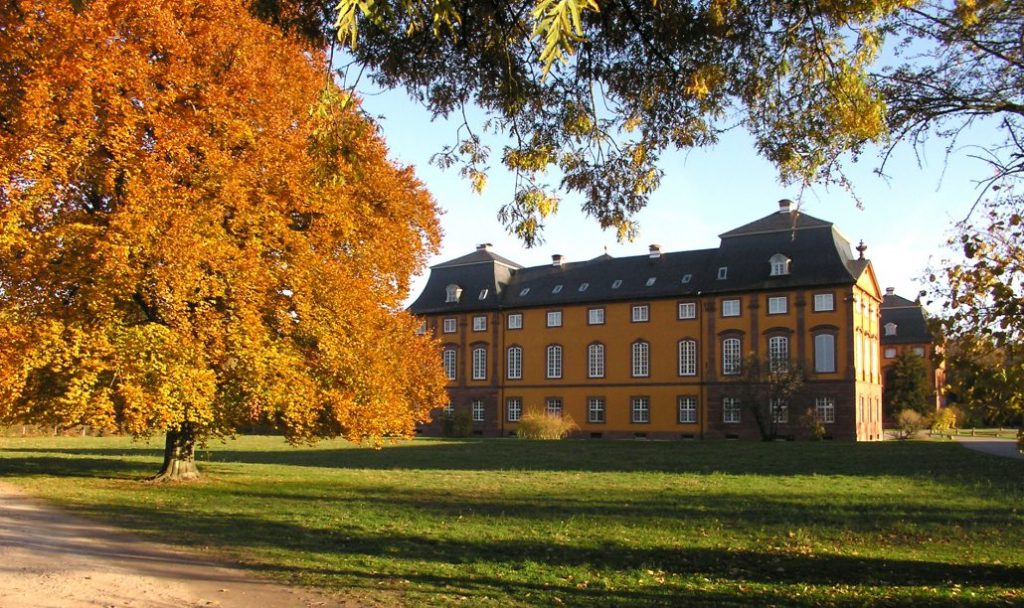
Nr. on the small map: 12 (Kleinheubach)The palace of the princely family “Lowenstein-Wertheim-Rosenberg” in Kleinheubach is more than extraordinary. Laid out in late baroque style by architect Louis Remy de la Fosse (1659–1726) from Darmstadt, it was built by Johann Dientzenhofer (1663–1726) from Bamberg after 1723. Master builder Johann Jakob Rischer (1662–1755) from Mannheim was […]
Classicistic Kleinheubach
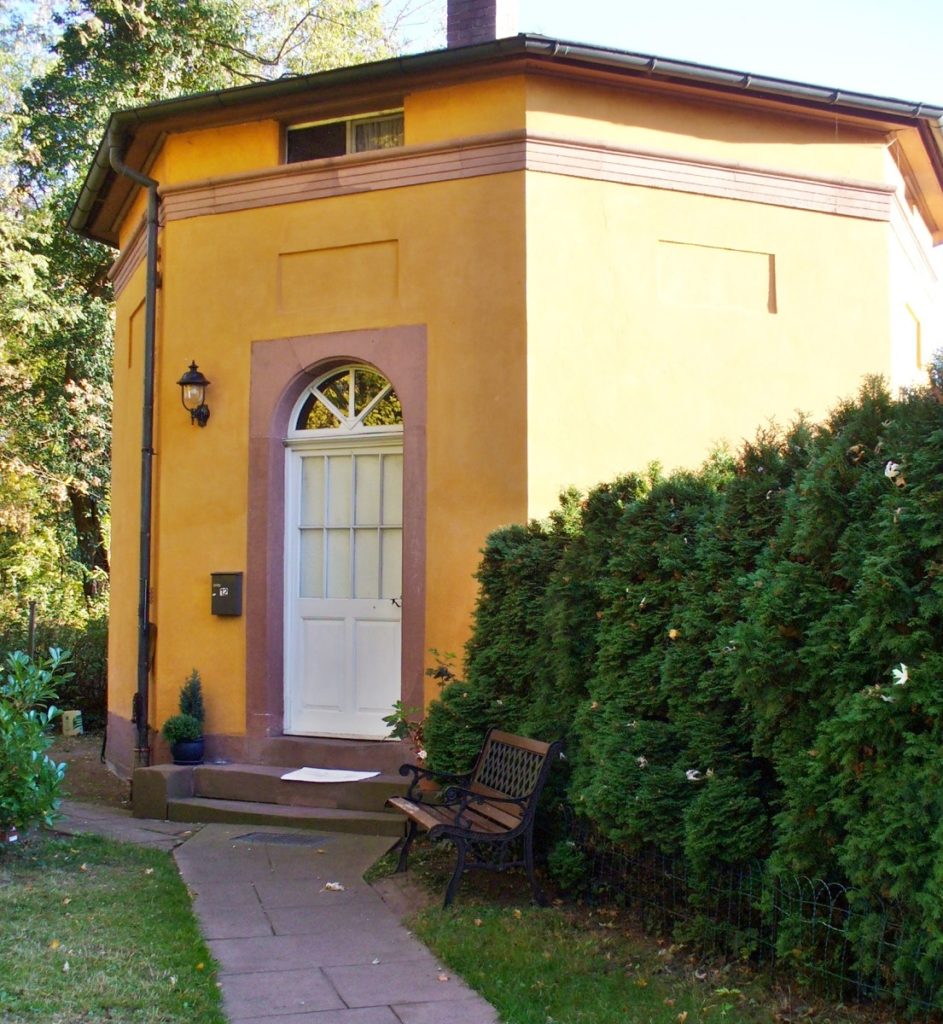
Between 1815 and 1835, Friedrich Karl Streiter (1780–1850), the princely constructional advisor, architect, and master builder created some exemplary monuments in the classicistic style. This stylistic resort to antique, strictly segmented designs, contrasts strongly with excessive baroque and dainty Rococo. This is rather apparent in numerous (parts of) buildings in Kleinheubach which originate from Streiter. […]
Jews in Kleinheubach
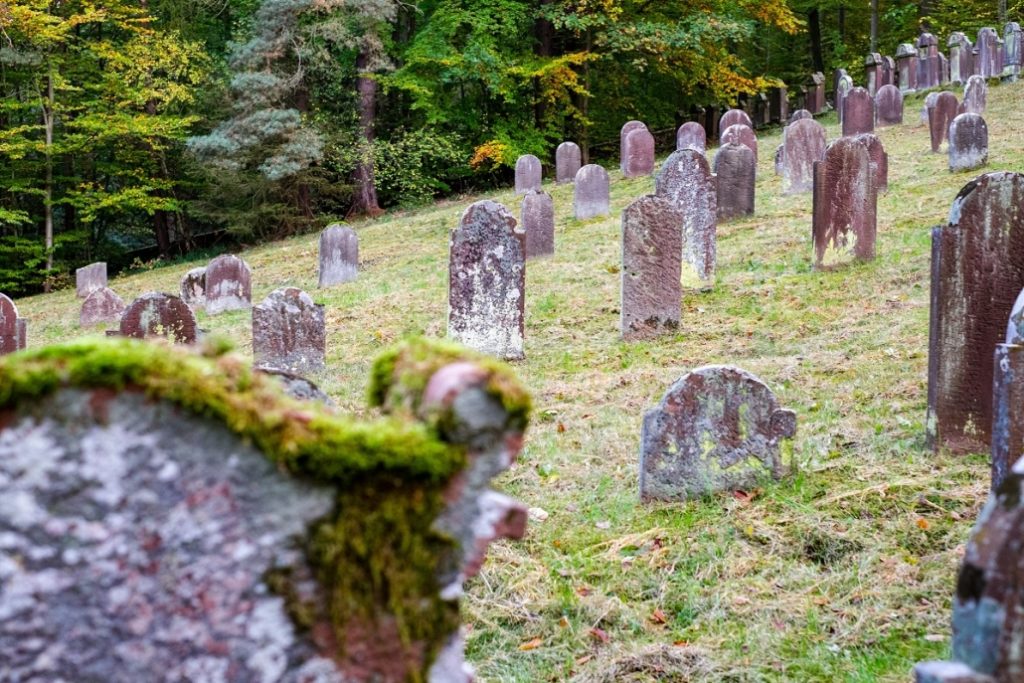
Nr. on the small map: 11 (Kleinheubach) A few Jewish citizens lived in Kleinheubach as early as the 14th century. A later congregation was founded in the second half of the 17th century and existed until 1942. The municipality had a synagogue, a new classicistic style building of 1808, at the end of the former […]
Hofgarten
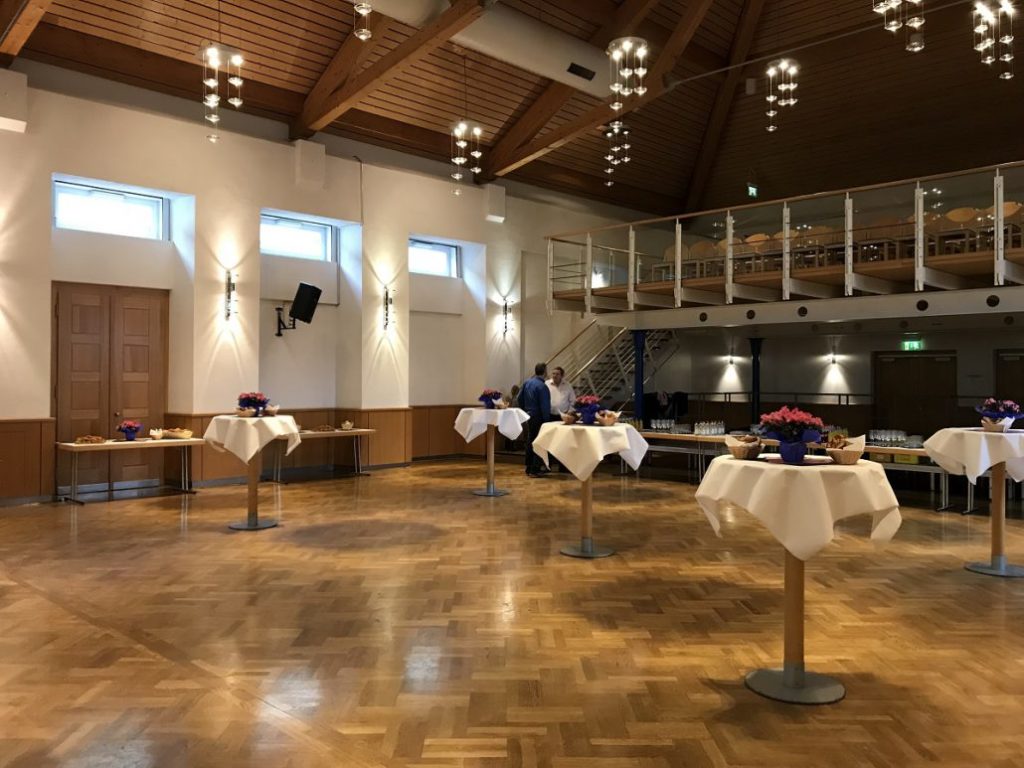
Nr. on the small map: 10 (Kleinheubach) The Hofgarten in Kleinheubach was built in 1812 for the family of the Prince of Löwenstein and was used as a riding arena until 1930. After that the hall was given to the Red Cross and later to the gymnastic club as a storage facility and a gym. […]
Catholic Parish Church “Heiligste Dreifaltigkeit” (Holiest Trinity)
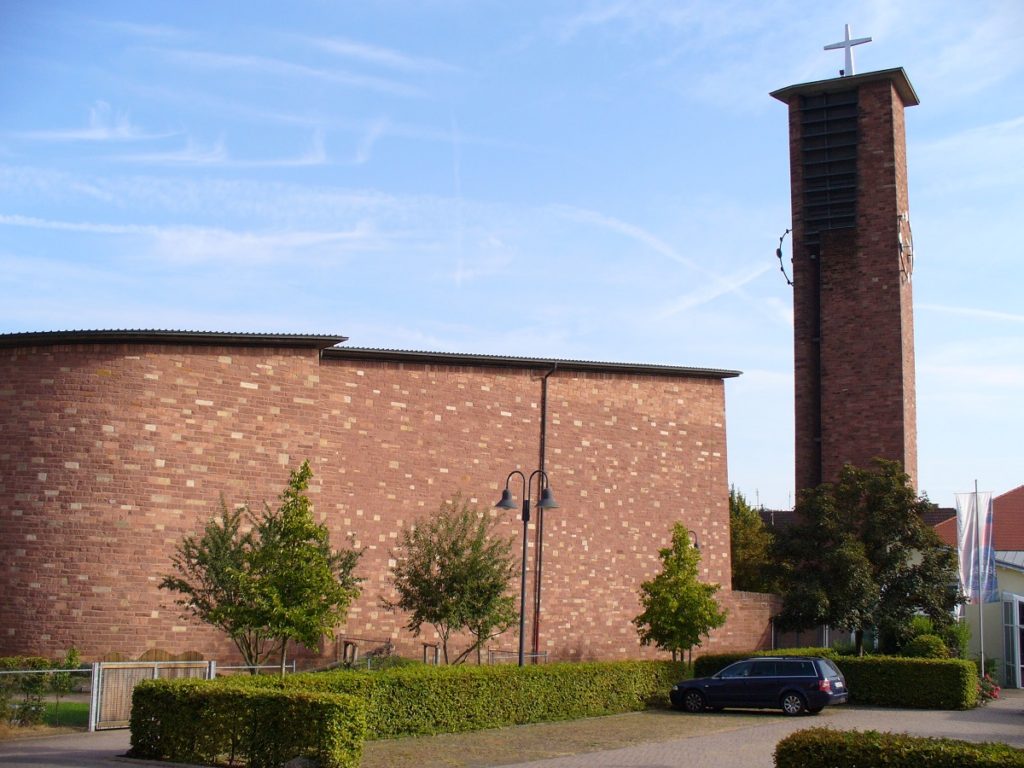
Nr. on the small map: 9 (Kleinheubach) The Palace Chapel provided a sacred place for the princely family and their mostly Catholic servants. The number of Catholics increased after 1945, because of refugees and expellees so that the Catholic Parish Church “Heiligste Dreifaltigkeit” was built and inaugurated in 1954. It is a typical post-war ecclesiastical […]
Local History Museum “Old Railway Station”
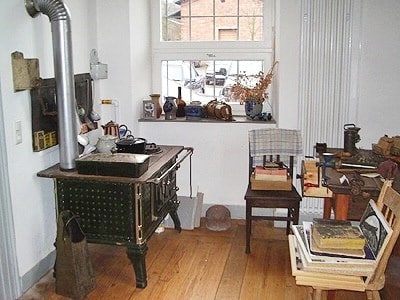
Nr. on the small map: 8 (Kleinheubach) The local museum, run by the History and Local Traditions Association, is located inside the old railway station. You can admire an ancient cinerary urn from the Urnfield Period, Roman coins, and additionally, some last century’s most common durables. Relating to Kleinheubach, are an old kitchen stove, produced […]
Mikvah Kleinheubach
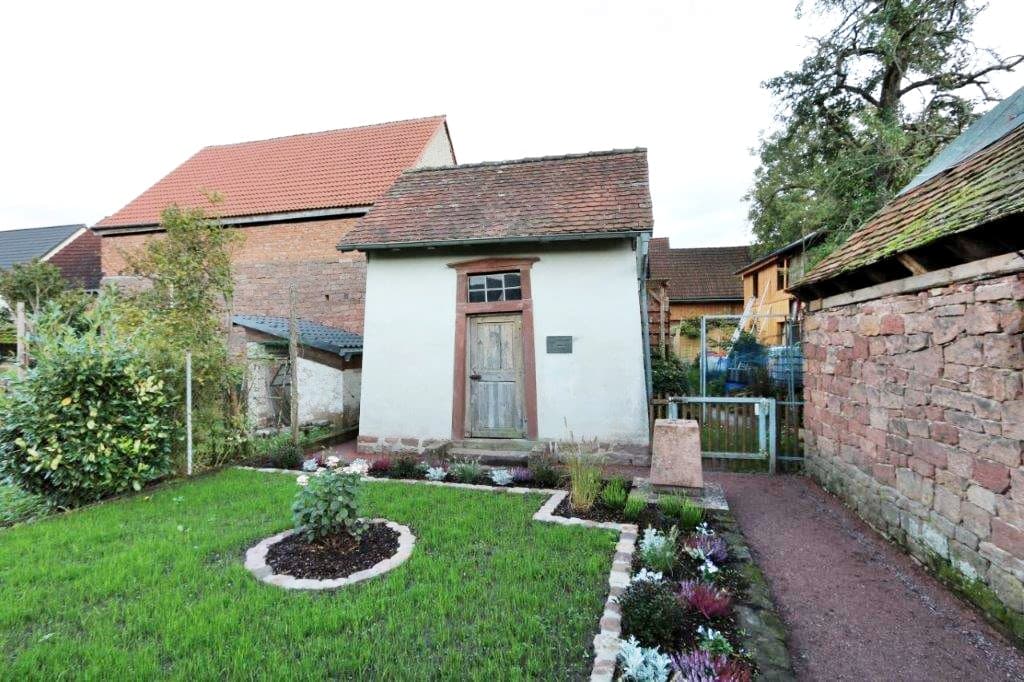
Nr. on the small map: 6 (Kleinheubach) In 1837, the ritual bath in the basement of the synagogue was in pitiable condition: no lights, no heating facilities, wet and slippery stairs. The district physician’s report led to a shutdown by local authorities. The “Fischgässchen” (Fish Alley), next to the Rudenauer Creek became the new site […]